

Flowering is a vital process for a plant’s reproductive success, as flowers attract pollinators that facilitate the exchange of pollen between individuals. In natural environments, native species have flowering periods adapted to local climate and pollinator availability. But what happens when invasive species arrive in these environments? How does their flowering period relate to that of native species?
Invasive plants are a serious environmental threat, as they compete with native plants for resources such as water, light, and nutrients, leading to ecosystem instability and habitat degradation. One advantage they may have is flowering at different times than native species, either blooming during periods of low competition or extending their flowering after native plants have finished, ensuring continued access to pollinators and resources.
Considering this context, a study recently published in Annals of Botany by a Spanish research team examined the flowering phenology of invasive plant species in the Cantabrian Mixed Forests ecoregion and compared it to that of native species. This region is located between the Mediterranean and oceanic climates of Spain and Portugal and the more humid, temperate forests of Western Europe. This area is considered a biodiversity hotspot but is under strong pressure from invasive species, especially in areas modified by humans.
The researchers compared the flowering periods of 175 invasive species with those of native species. To establish this list of invasive species, the scientists compiled data from various sources, including global databases such as the Global Biodiversity Information Facility (GBIF) and iNaturalist, alongside other sources, such as technical reports, conservation projects, and theses.
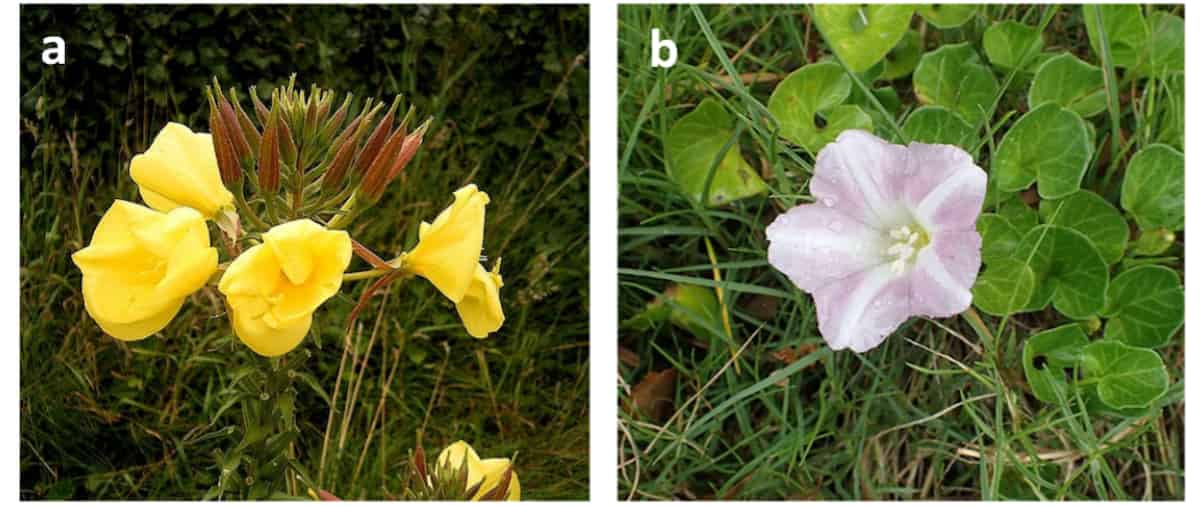
The researchers found that invasive species begin flowering about a month later than native species and keep flowering longer. While native species bloom between April and July, invasive species bloom from May to September. These differences were even more pronounced in urban and disturbed areas. Moreover, invasive species from tropical and temperate regions showed a greater imbalance compared to native species: they flowered later, withered later, and maintained their flowers longer. Invasive species originating from the Mediterranean, on the other hand, behaved similarly to native species.
According to the researchers, this is the first study to compare, on a large scale, the flowering times of native and invasive plants. The difference in flowering periods may help invasive plants avoid direct competition with native plants, taking advantage of periods of the year when fewer flowers are competing for resources, such as pollinators, an idea known as the vacant niche hypothesis. They also have a longer flowering period, which might help what comes afterwards. Lázaro-Lobo and colleagues write: “In addition, producing flowers throughout a longer time period might increase the chances of having seeds available when the right conditions for dispersal and establishment occur.”
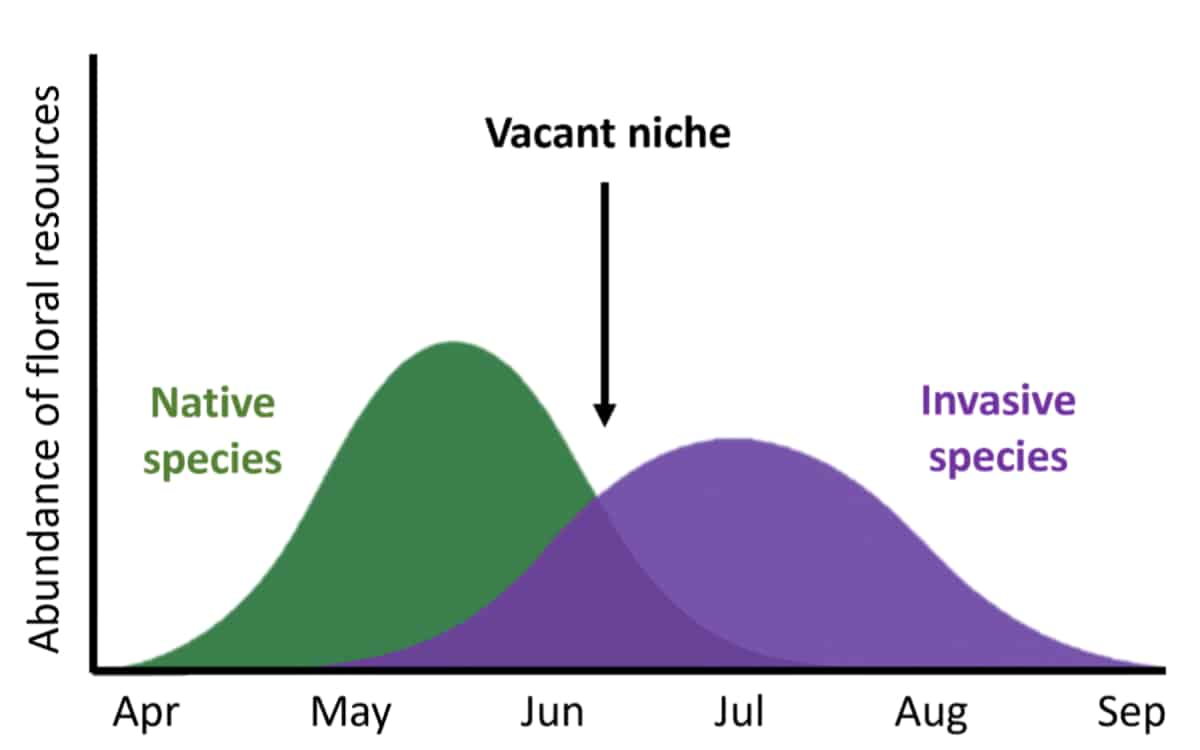
The idea of a vacant niche shows how a flowering offset favours its establishment. These findings show that flowering time matters in the context of biological invasion and that environmental management programs need to consider plant reproductive phenology to understand the spread of invasive species.
READ THE ARTICLE:
Lázaro-Lobo, A., Rendueles Fernández, B., Fernández-Pascual, E., González-García, V., & Jiménez-Alfaro, B. (2025). Invasive plants have a delayed and longer flowering phenology than native plants in an ecoregional flora. Annals of Botany, mcaf078.
Ana Carolina S. Oliveira
Carol is a pollination biologist fascinated by understanding the choice of pollinators through the visual signs of flowers, especially how bees interpret the universe of floral colours. During her PhD, she evaluated how floral colour modulates the reproduction and structuring of oil flower communities and the preference of bees in this context.
Portuguese translation by Ana C. S. Oliveira.
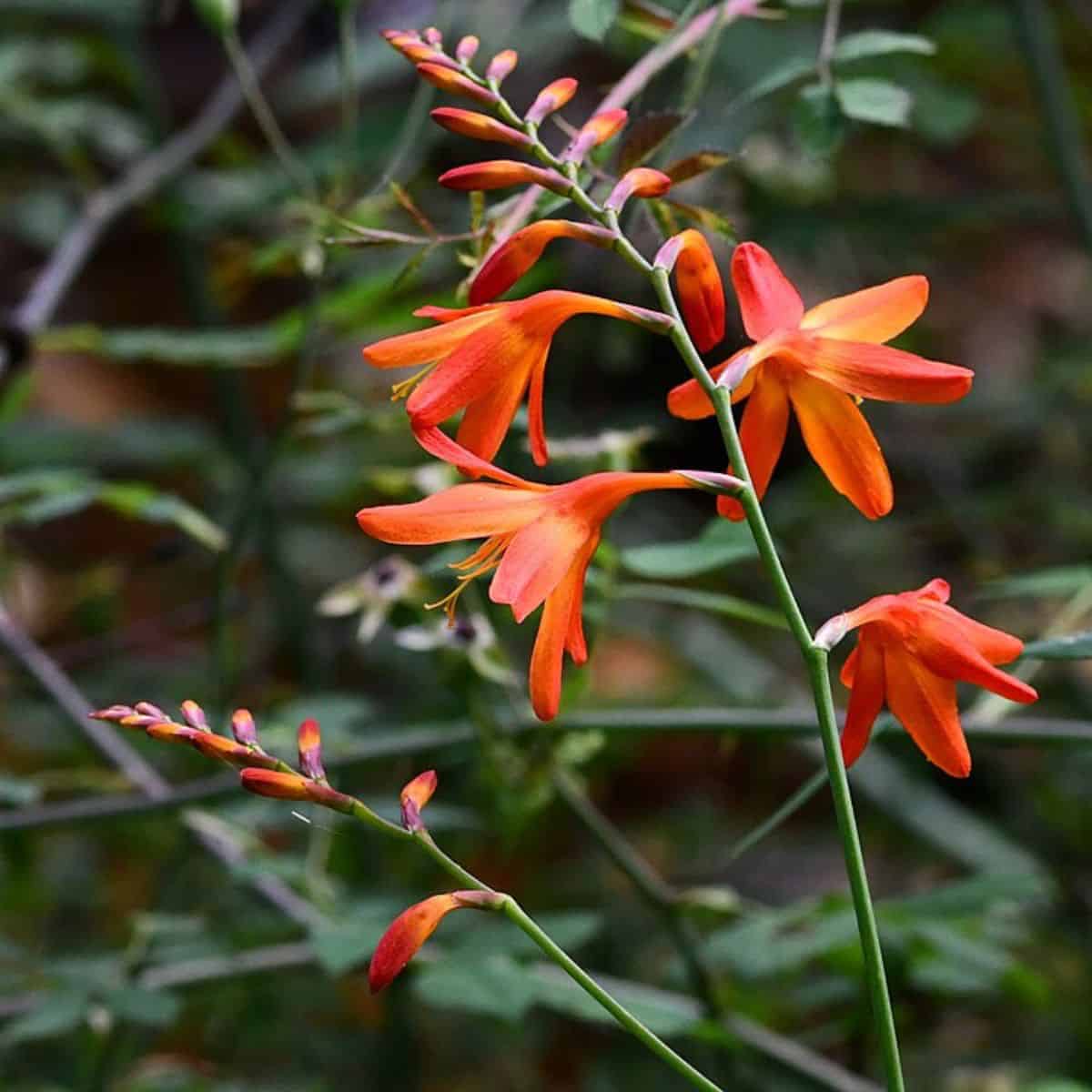
Cover picture: Crocosmia x crocosmiiflora, by Michael Garlick (Wikimedia Commons).


