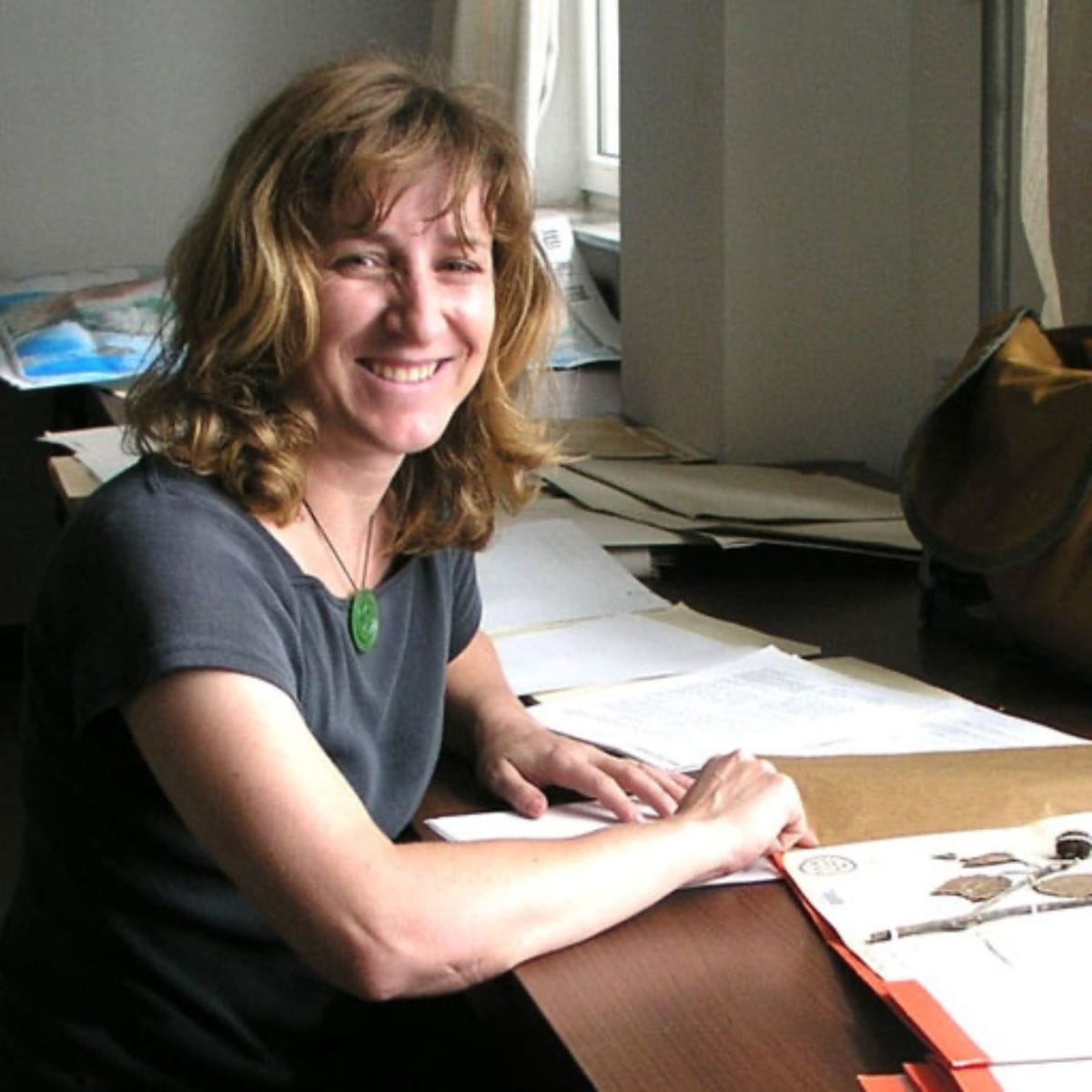



Botany 2025 (July 26–30, 2025) was one of the largest botanical conferences of the year. Botany One spoke with Dr. Stefanie Ickert-Bond, a speaker at the “Evolutionary History of the Gnetales” symposium sponsored by the Annals of Botany journal, to learn more about his fascinating research on reproductive evolution and the mysteries of plant development.
Ickert-Bond is a Professor of Botany and a Herbarium Curator at the University of Alaska Fairbanks (United States). Her research focuses on understanding the evolutionary relationships, biogeography, and gene evolution in lineages of ferns, gymnosperms, and flowering plants to infer historical evolutionary processes that have resulted in current patterns of biodiversity. Her research program integrates molecular approaches with original field studies, morphology, anatomy, and paleobotany. You can learn more about her research at her lab’s website.
What made you become interested in plants?
The fascination started during my undergraduate studies at the Technical University of Berlin. I spent a lot of time at the Berlin Botanical Garden, and I was especially intrigued by the bald cypresses across from the Chinese Garden exhibit. Their strange “knees” — those swollen roots that help aerate their swampy habitat — really caught my attention. There were so many other fascinating conifers in the garden that by the time I was finishing my undergraduate degree, it felt only natural to do my honours project on them. That led me to study the bristlecone pine complex across the Western U.S. and Mexico, and from there, my journey in botany truly began.
What motivated you to pursue your current area of research?
A turning point came when I read about Pinus krempfii in N.T. Mirov’s book The Genus Pinus. This strange pine from Vietnam has unusually broad, flat needles, and almost no herbarium specimens existed in the U.S. until the 1960s. That piqued my curiosity, and I eventually traveled to Vietnam to see it in person. Standing in front of that majestic 50-meter tree was unforgettable. Although my early research focused on pines, I eventually found myself more fascinated by plant form and function than genomics. That interest led me to Ephedra, also known as Mormon-tea, which I began studying in the deserts of Arizona. I’ve been working on this genus for over 30 years now, exploring everything from taxonomy to its morphological oddities.
What is your favourite part of your work related to plants?
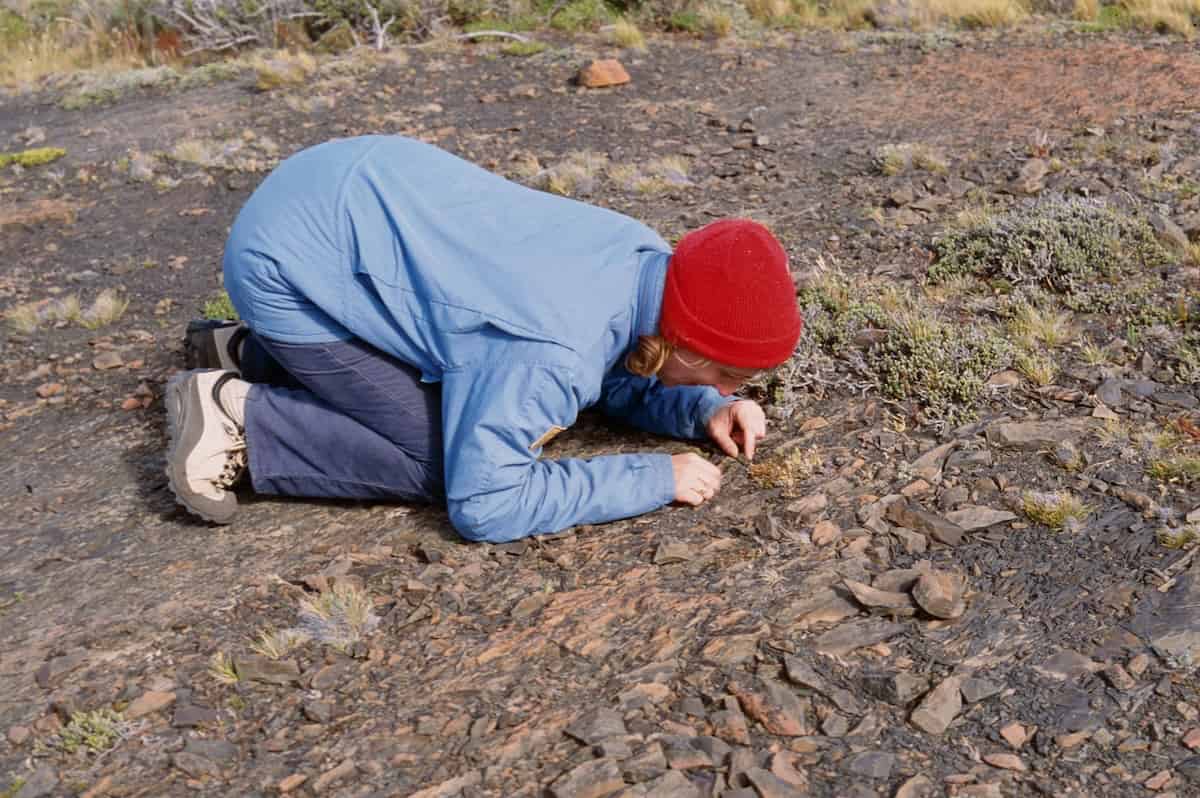
What I love most is investigating the morphological quirks of plants. Ephedra in particular never ceases to amaze me with its unusual forms and evolutionary surprises. I enjoy diving deep into how these plants work and what makes them so distinct, both functionally and structurally. The fact that I can continue to find new questions and curiosities in this one group keeps the work exciting.
Are any specific plants or species that have intrigued or inspired your research? If so, what are they and why?
Definitely. Pinus krempfii stands out as one of the most bizarre and poorly understood pines in the world. Its broad needles make it look more like a tropical Podocarpus than a typical pine, and it behaves more like one, too, in terms of photosynthesis and hydraulic traits. Then there’s Ephedra, the focus of my current research. With over 30 species in the New World alone, it’s a genus full of oddities and mysteries. Studying its evolution, diversity, and form has been incredibly rewarding.
Could you share an experience or anecdote from your work that has marked your career and reaffirmed your fascination with plants?
My trip to Vietnam to see Pinus krempfii in its natural habitat is one of the most defining experiences of my career. I had read about it in Mirov’s book and followed that curiosity all the way to South Vietnam. Seeing that tree in person — towering at 50 meters tall, with its unique foliage — was like stepping into the pages of botanical history. It reaffirmed for me why I do what I do: to chase those moments of wonder and discovery.
What advice would you give young scientists considering a career in plant biology?
Build a strong foundation. Learn plant taxonomy, anatomy, cytogenetics, and microscopy. My PhD advisor, Dr. Donald Pinkava, set high standards for teaching and scholarship, and I still carry those lessons with me. Another key influence was Dr. Kathleen Pigg, who introduced me to plant anatomy and paleobotany. Her teaching style — clear, engaging, and grounded in real-world connections — inspired me to become not just a better researcher, but a better educator. Find mentors who challenge and support you, and stay curious. The best discoveries often come from unexpected places.
What do people usually get wrong about plants?
So much! For starters, the difference between botanical and culinary definitions can be confusing. Botanically, tomatoes and bananas are berries, while raspberries and blackberries are not. Peanuts aren’t nuts at all — they’re legumes. Beyond definitions, people often underestimate the complexity of plant life. Take plant cells, for example: most biology textbooks only show photosynthetic parenchyma cells, but in a tree, most cells lack chloroplasts and have vastly different structures. There’s an incredible world of diversity and complexity in plants that often goes unnoticed.
Carlos A. Ordóñez-Parra
Carlos (he/him) is a Colombian seed ecologist currently doing his PhD at Universidade Federal de Minas Gerais (Belo Horizonte, Brazil) and working as a Science Editor at Botany One and a Communications Officer at the International Society for Seed Science. You can follow him on BlueSky at @caordonezparra.


