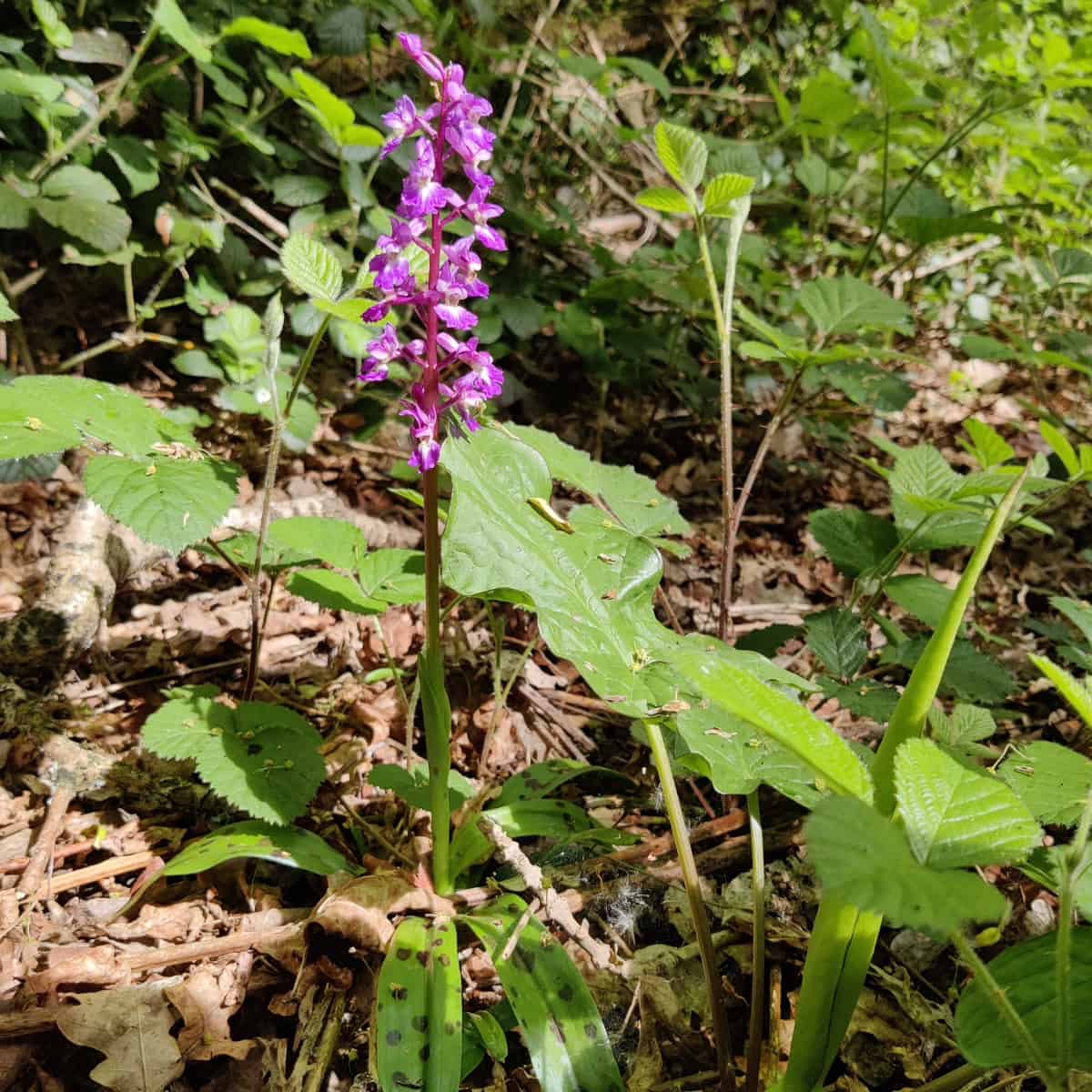


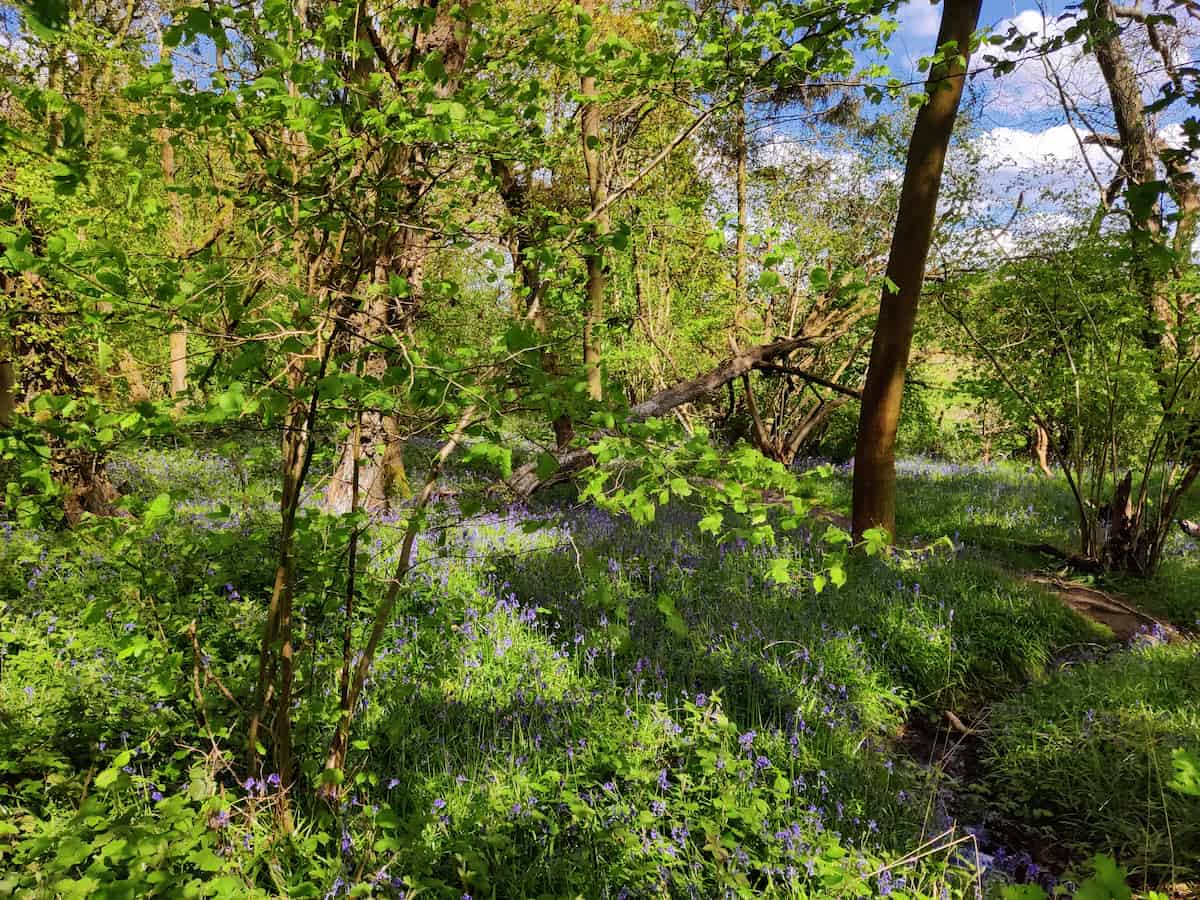
Across the United Kingdom, there are ancient woodland habitats surrounded by urban and rural areas. These fragmented ancient woodlands host a biodiverse ecosystem of plants and other organisms, and are defined by the presence of specific ‘indicator species’.The preservation of these ancient woodlands in urban and rural areas has created a green space sanctuary for both human and non-human residents, but the proximity of these woodlands to urbanization may have long-term damaging effects on their ecosystem health.
A recent study, published in Ecological Solutions and Evidence investigated plant species diversity across 43 urban- and rural-adjacent ancient woodland sites in the United Kingdom using historical records from local Environmental Record Centers near the study sites. These centers house a myriad of data and information regarding local biodiversity that can be utilized to track changes in ecosystems like ancient woodlands over time.
“I have always been interested in the value of historical records, and seeing what we can do with that rich historical data that tells us where [plant] species are and aren’t found,” says Holly Woo, postgraduate researcher at The Open University in Milton Keynes, UK.
Using these historical data, the researchers identified a variety of species found solely in ancient woodlands, furthering their conservation value, as well as changes to ancient woodland biodiversity due to human activity.
In general, most habitats fragmented by urbanization face degradation via pollution or the introduction of alien species. Pollution degrades the air quality and nutrient availability in the soil, while alien plants can outcompete native plant residents or cause plant infections, potentially leading to the local extinction of the native species. For instance, woodlands near more urban areas may be susceptible to alien plants that are used in landscaping, while those in more rural areas can experience excess nutrient runoff.
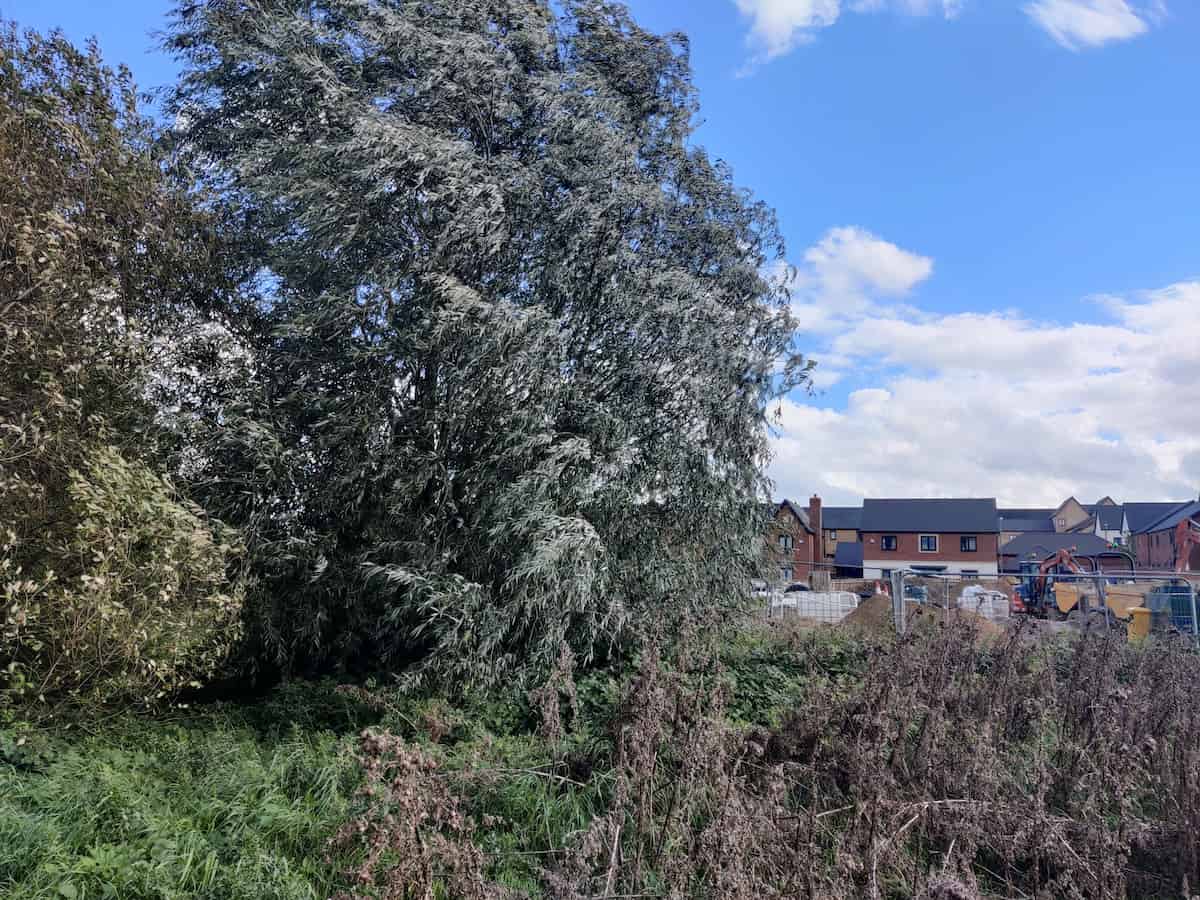
In both urban- and rural-adjacent ancient woodlands, the researchers found very little shift in the number of native plant species within the last 30 years, however, the number of nonnative species significantly rose. These nonnative species were also distinctive between urban and rural environments. Additionally, the longer an ancient woodland was near an urbanized environment, the more its species composition changed, largely due to an increased presence of nonnative species.
This long term shift in species was detected by the use of local herbarium specimens, survey records and community science data accessible via Environmental Records Centres, which collect and maintain data on biodiversity from a variety of sources, including herbaria specimens, land surveys, and records from community science projects. These data are available for public access and can provide insight into how plant presence in certain areas have changed over time.
One of the most insightful ways that researchers can learn about the health and status of ancient woodlands is through ‘ancient woodland indicators’. For example, Woo says that about 50% of English bluebells are solely found in ancient woodlands, and so finding a group of them together is a good indication that the area can be classified as such. The presence or absence of these indicator species can also inform researchers’ recommendations for conservation or preservation.
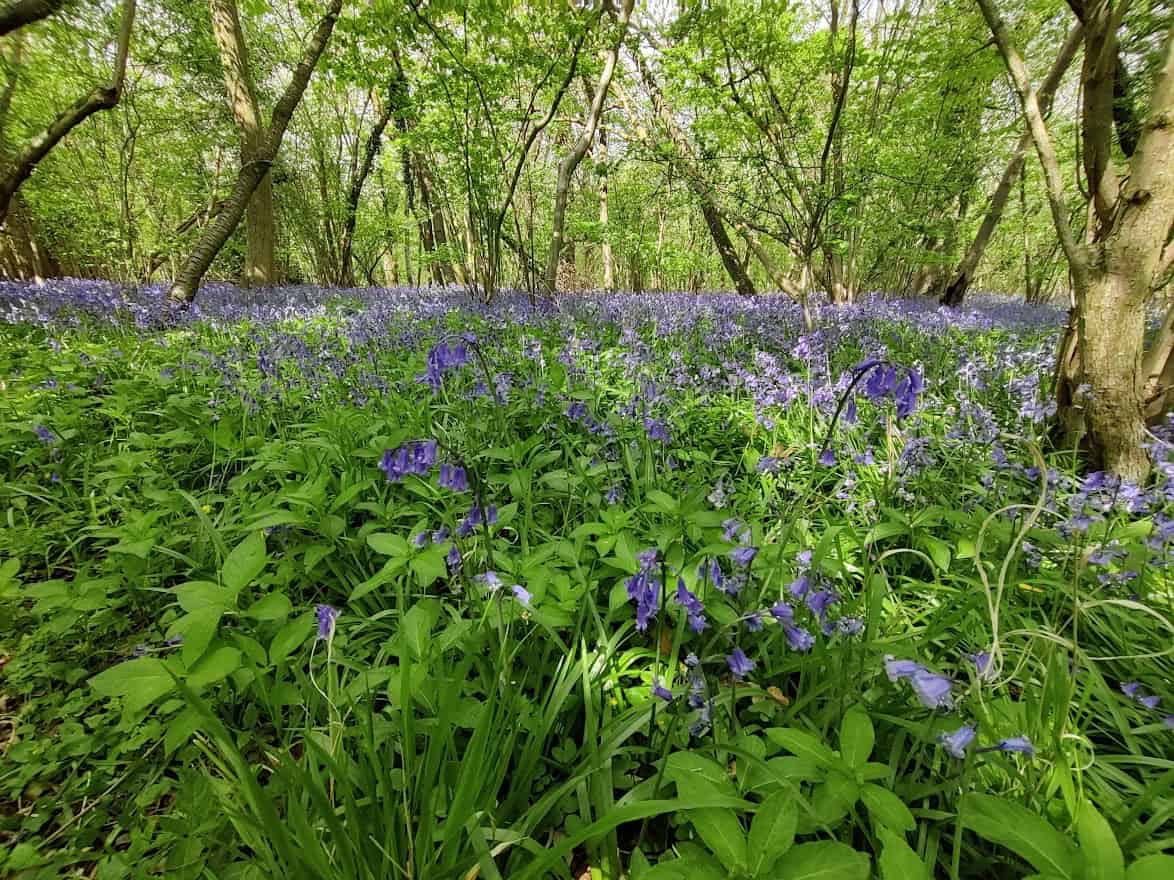
“Being able to protect and conserve those places, especially if they’re in an urban environment where people can enjoy them, is really important,” says Woo.
Having only looked at the presence of species, and not their population sizes, Woo thinks there is a potential to investigate even further, tracking both presence and population size over time. By understanding the long-term effects of urbanization on these unique ecosystems, proper monitoring and conservation practices can be implemented to protect ancient woodlands and the plants that depend on them.
READ THE ARTICLE
Woo, H.C., Maseyk, K., Davies, S.-J. and Wheeler, P.M. (2025) “Floristic shifts of ancient woodland in recently urbanised landscapes seen through historic species records,” Ecological Solutions and Evidence, 6(3). Available at: https://doi.org/10.1002/2688-8319.70094
Cover Image: Early Purple Orchid by Holly Woo.


