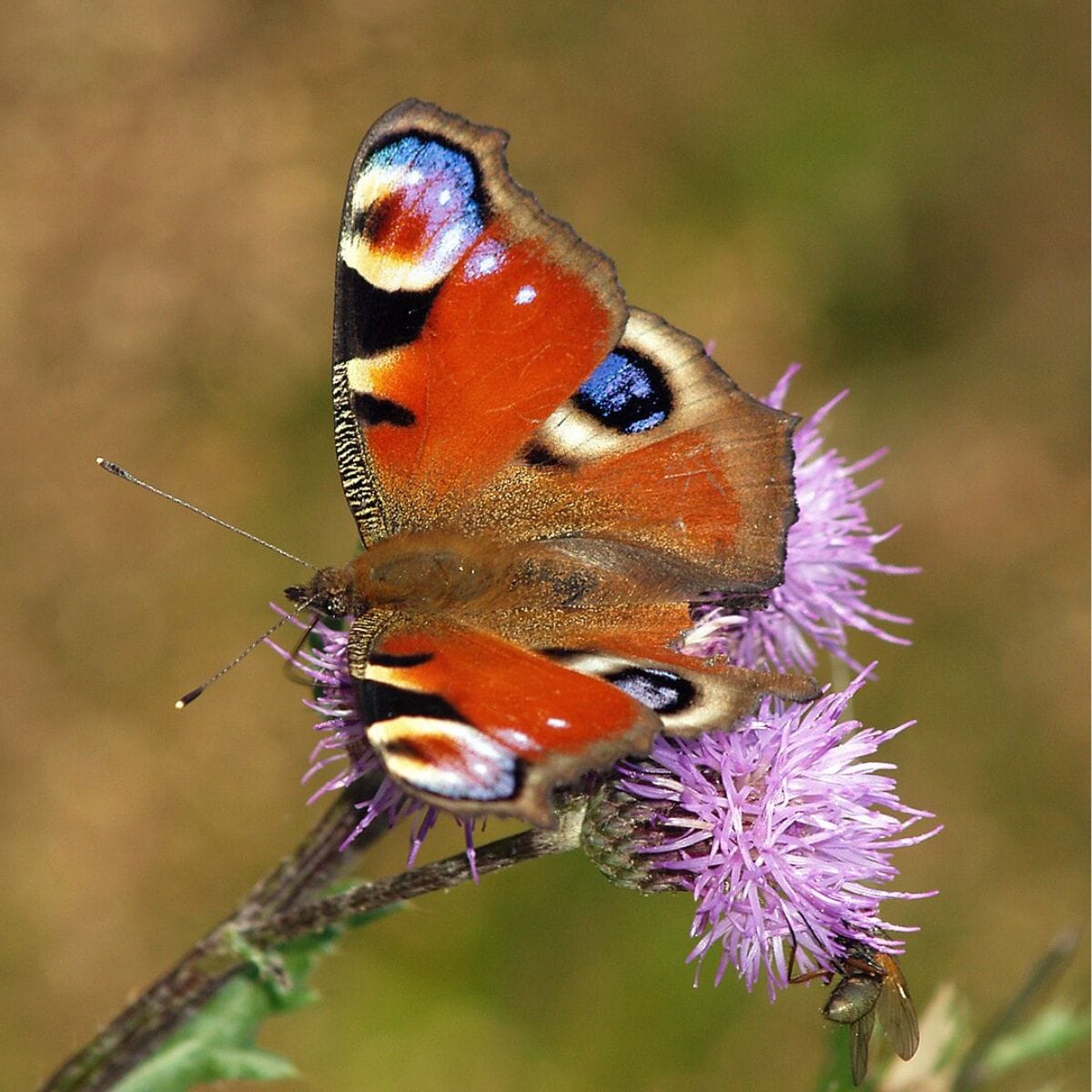



Hidden among the concrete and asphalt of our cities, tiny jewels flutter from flower to flower, quietly sustaining the delicate balance of urban nature. Butterflies are not only beautiful creatures; they are also indicators of environmental health and play an essential role in pollination, helping many plants reproduce.
While not as efficient as bees, some butterfly species can be surprisingly effective pollinators. Their flower-visiting behaviour reveals an incredible variety of adaptations: some prefer certain colours, some seek specific types of nectar, and each species has its own “taste” for flowers. Some are specialists, visiting only a few plant types, while others are generalists, moving across many species.
In cities, this dynamic becomes even more complex. Urban environments change ecosystems in many ways: pollution, habitat fragmentation, heat, water scarcity, and shifts in plant communities all influence which flowers are available and how butterflies use them.
Previous studies have focused mostly on ornamental gardens, which are easier to monitor and recognised as abundant nectar sources. But abandoned lots, vacant land, and spontaneous vegetation can also provide valuable resources for butterflies and other pollinators, yet they remain largely overlooked.
Little is known about which flowers butterflies visit outside of gardens and parks. Understanding these interactions is crucial because nectar availability directly affects butterfly survival, longevity, and reproduction, ultimately shaping their populations and urban biodiversity as a whole.
To explore this further, Sylwia Pietrzak and Krzysztof Pabis set out to discover which flowers in abandoned urban lots can sustain butterfly communities and how these overlooked spaces might help conserve nature within cities. For this, they recorded every butterfly species that landed on flowers, along with the main plant traits of the flowers they visited, across five large wastelands located on the outskirts of Łódź, Poland.
The researchers found 39 butterfly species visiting 81 plant species in Łódź. Most of the plants visited were herbaceous and belonged to families like Asteraceae, Fabaceae, and Lamiaceae, which are rich in nectar, easy for butterflies to access, and commonly found in city landscapes.
Furthermore, they found that while butterflies can visit many flowers, some plants are especially popular. Plants like Centaurea stoebe, Jasione montana, Trifolium pratense, and Origanum vulgare attracted up to 23 different butterfly species, while ornamental flowers in gardens were not always the favourites. Surprisingly, two of these plants grow wild in abandoned areas, showing that even “simple” or overlooked flowers can be incredibly important for butterflies.
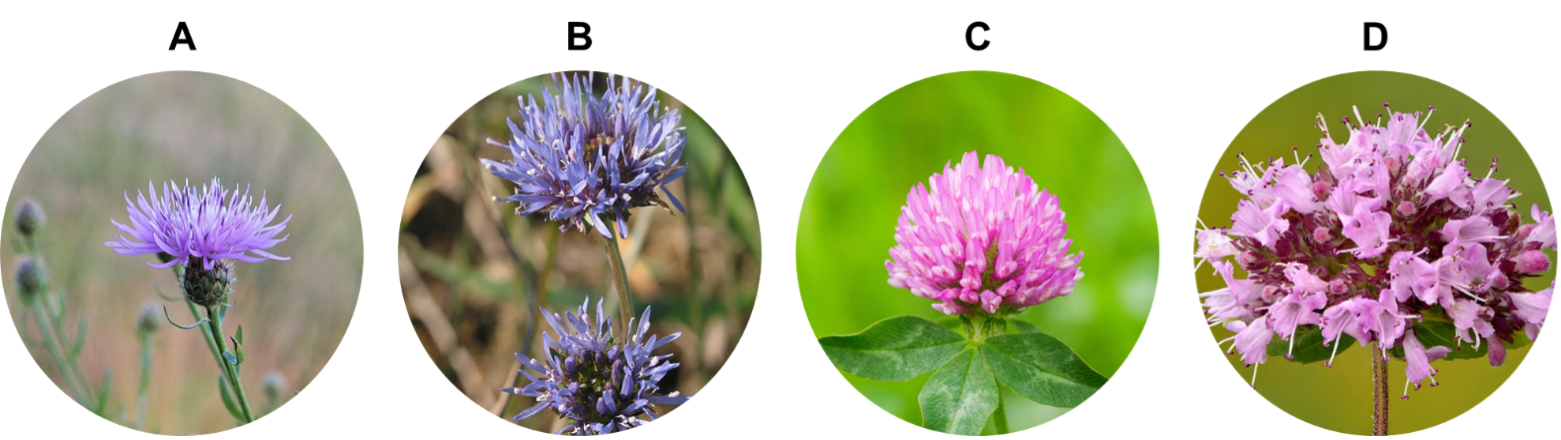
Butterflies also did not seem to care much about flower colour or depth. They were seen feeding on pink, yellow, white, and violet flowers, mostly shallow to medium in depth. Only a few species had more specific preferences, but for most butterflies, what really matters is nectar availability and quality.
Finally, not all butterflies behave the same way. Some common species focus on a few nectar-rich flowers, while others travel long distances to find food. This suggests that mobility, the availability of host plants for caterpillars, and nectar supply are more important than flower colour or type alone.
These findings change the way we see urban conservation. Protecting biodiversity in cities is not just about planned gardens or ornamental flowers. The study shows that abandoned lots and spontaneous vegetation, often seen as empty or worthless, have great ecological value. These areas act as vibrant “flower tables” for butterflies and other pollinators, complementing traditional parks and gardens. By valuing native and common plants, our cities can become more beautiful, sustainable, and one place where butterflies and people share the same space in harmony, and every forgotten corner can serve as a hidden refuge for nature.
READ THE ARTICLE:
Pietrzak, S., & Pabis, K. (2025). Blooming Urban Table: Flower Resources for Butterflies in Small Wastelands of a Large European City. Ecology and Evolution, 15(9), e72088. https://doi.org/10.1002/ece3.72088

Victor H. D. Silva
Victor H. D. Silva is a biologist passionate about the processes that shape interactions between plants and pollinators. He is currently focused on understanding how urbanisation influences plant-pollinator interactions and how to make urban green areas more pollinator-friendly. For more information, follow him on ResearchGate as Victor H. D. Silva.
Portuguese translation by Victor H. D. Silva.
Cover picture by Jörg Hempel (Wikimedia Commons).


