


For thousands of years, humans have turned to plants for healing, harnessing their diverse chemical compounds to treat ailments ranging from willow-derived salicin for pain relief to foxglove-derived digitoxin for heart conditions, and, more recently, cannabis-derived cannabinoids for inflammation and chronic pain. However, this long history has overwhelmingly spotlighted Cannabis sativa as the main source of cannabinoids, those active chemical compounds renowned for their anti-inflammatory and analgesic properties. While this association reflects the plant’s extensive notoriety, it ultimately limits our understanding of the true biochemical diversity of the plant kingdom.
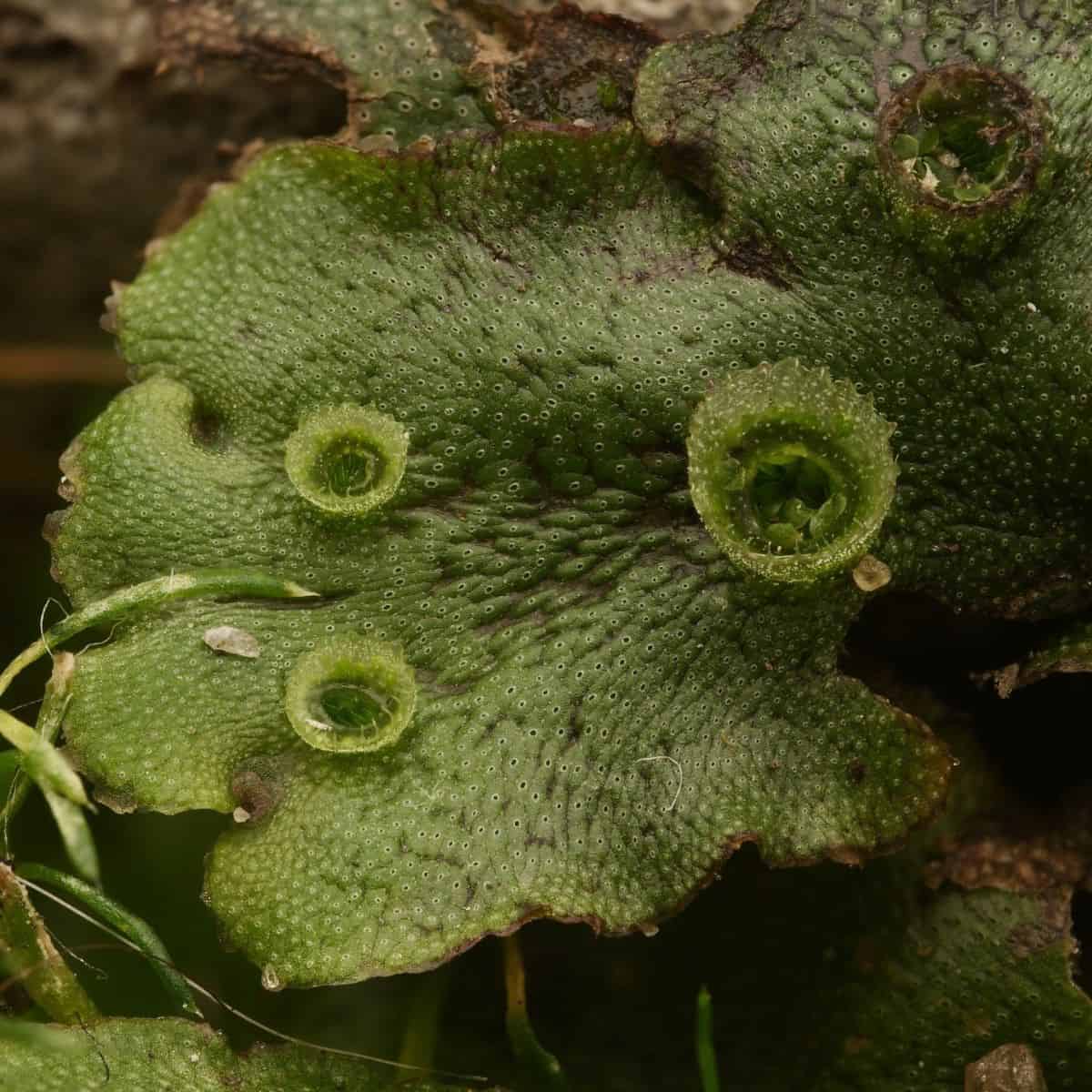
A recent review by Meireles-Medeiros and collaborators challenges this paradigm by exploring liverworts, a group of small plants closely related to mosses that inhabit everything from dark trunks in humid forests to rocky outcrops under extreme climates. These bryophytes are repositories of specialised metabolites, many stored in unique oil bodies within plant organs, and have attracted growing interest from researchers seeking new avenues for treating chronic pain, inflammation, and nervous system disorders.
Liverworts from the genera Radula and Plagiochila have been identified as producers of cannabinoids such as perrottetinene (PET), a molecule whose chemical backbone resembles THC, the classic psychoactive cannabinoid of Cannabis. The review synthesised findings from 47 studies spanning over 50 years (1970-2024), documenting cannabinoid-like compounds in 12 liverwort species, including bibenzyl cannabinoids, perrottetinenes, and tetrahydrocannabinols, with notable anti-inflammatory potential in at least eight species. PET and other analogues appear to mimic pharmacological effects on the endocannabinoid system, an ancient physiological network common to many animals responsible for modulating pain, inflammation, and homeostasis. Notably, some studies suggest that PET may reduce neuroinflammation while promoting lower risks of psychoactive side effects, thereby broadening its potential application as a safer therapeutic alternative in chronic, neurodegenerative, or inflammatory diseases.
Despite this enthusiasm, research on the pharmacology of liverwort cannabinoids is still in its early stages. Laboratory assays, reviewed by Meireles-Medeiros, confirmed that extracts from various bryophytes exert anti-inflammatory and analgesic effects by inhibiting key mediators such as nitric oxide, interleukins, and enzymes like COX-2. However, the exact compounds and molecular mechanisms remain poorly understood, illustrating the gap between therapeutic potential and the current state of knowledge. This delay is due not only to the historically lower interest in bryophytes compared to vascular plants but also to legal barriers and persistent prejudices that, for decades, have hindered research on cannabinoid molecules derived from diverse plant sources.
But why does it matter to invest in the study of these “hidden” cannabinoids? Amid a global health crisis caused by opioid dependence and the demand for safer chronic treatments, expanding the arsenal of natural molecules with anti-inflammatory and analgesic profiles is crucial. The hypothesis that other liverwort species, especially those from harsh environments such as the Brazilian Campos Rupestres and ferruginous outcrops, may produce cannabinoid compounds is grounded in the defensive metabolism of these plants. As the biosynthetic precursor is stilbenic acid, intimately linked to responses to biotic and abiotic stresses, it makes sense to search for such compounds in habitats exposed to intense radiation, drought, or herbivory. Several species within the genera Radula and Plagiochila illustrate convergent evolutionary adaptations, indicating that cannabinoid production may be a recurrent chemical defence strategy amongst bryophytes. Uncovering this richness opens pathways not only for pharmacological innovation but also for the valorisation of neglected environments whose biodiversity may hold unprecedented solutions to challenges in modern medicine. Perhaps the answer to pain and inflammation affecting millions lies quietly amongst mosses and liverworts on rocks and tree bark worldwide.
READ THE ARTICLE:
Meireles-Medeiros, N., Oliveira, M. F., Perez, A. D. C., & Maciel-Silva, A. S. (2025). Liverworts as a hidden secret for soothing inflammation and alleviating pain. Botany, 103, 1-12.

Pablo O. Santos
Pablo is a PhD student in Plant Biology at Universidade Federal de Minas Gerais (Brazil), where he conducts research on photoprotective strategies and antioxidant potential of bryophytes from ferruginous outcrops. His research interests lie at the intersection of physiology, ecology, and phytochemistry of bryophytes, with an emphasis on the ecological role and biotechnological applications of liverworts, mosses, and hornworts.
Portuguese Translation by Pablo O. Santos.
Cover picture: Marchantia polymorpha. Photo by Alexis (Wikimedia Commons).


