


Studies show that gardeners often care about pollinators and biodiversity. So why are gardens such a rich source of potentially invasive plants? Research by Cecilia Palmér and colleagues shows that one reason is that the standard conservation message, don't plant alien species, doesn't connect with how gardeners actually choose plants.
The team of scientists surveyed 743 gardeners across three climate zones in Sweden. Over half the Swedish population has a garden, so this is a potentially massive group of people that Swedish conservationists can talk to. They found out what gardeners looked for in a plant, and it wasn't what conservationists expected.
Gardeners prioritise aesthetics, hardiness and habitat suitability. They want a plant that will grow in their garden. The surprise was how little origin mattered. For the average gardener a foreign origin wasn’t the least bit important.
Gardeners do learn from experience, though. People who actually had invasive species in their gardens tended to know about how those plants spread. This was especially true for gardeners that had plants with visible root suckering, the kind of spread you can see happening in front of you.
Gardeners were familiar with hand weeding and digging for controlling plants. However, the team found other methods like ground covering and hot water are underused because people don't know that they’re worth the effort.
The authors conclude that telling gardeners "don't plant alien species" misses the point. Instead, Palmér and colleagues suggest focusing on specific problem species and practical management techniques rather than origin.
It’s a message that will become vitally important in the coming years. The authors write: “A risk assessment of invasive alien species for Sweden indicates that at least 255 plant species may become invasive within the next 50 years.” Climate change is going to turbo-charge invasive plants. A nation of gardeners equipped with experience to handle them could make a huge difference.
READ THE ARTICLE
Palmér, C., Wallin, A., Persson, J., and Blennow, K. (2025) Horticultural practices of invasive plants: insights into priorities, awareness, and management among garden owners. Biological Invasions, 27(11). Available at: https://doi.org/10.1007/s10530-025-03705-2.
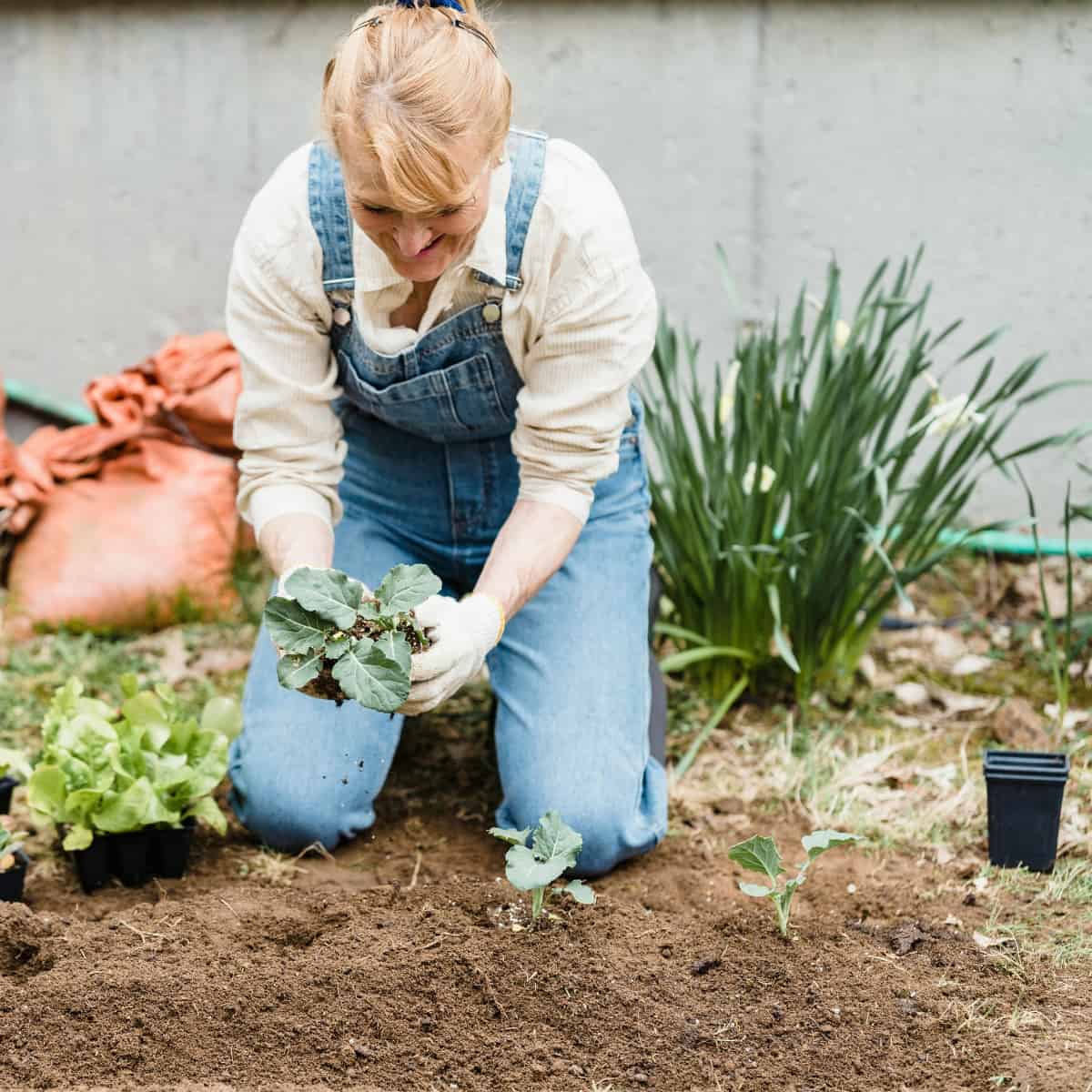
Cover image: Woman in gloves planting seedling by Greta Hoffman from Pexels


