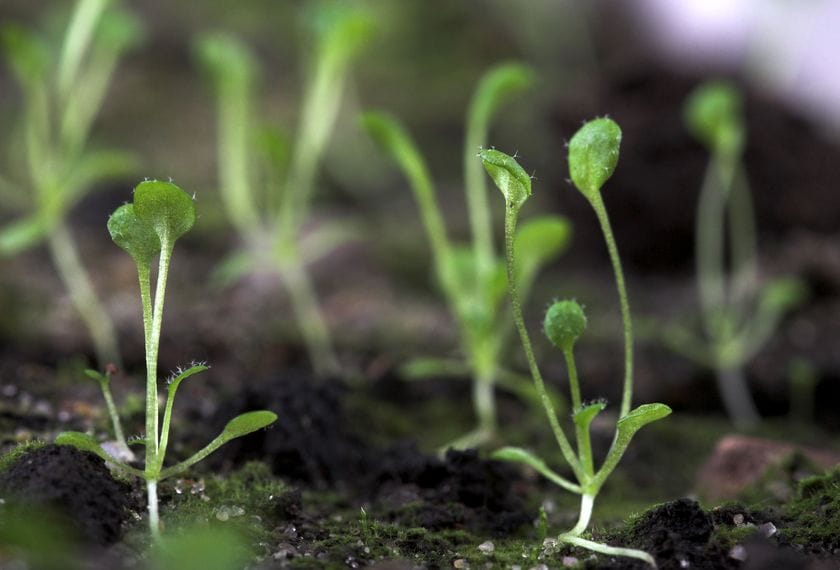



In Grime’s C-S-R strategy model, plant ecological strategies vary between ruderals (R), stress-tolerators (S) and competitors (C). These variations are assumed to reflect adaptation of species to the environment, although the relationships with environmental factors such as climate remain debated. Moreover, adaptive processes such as selection and diversification need to be tested within species.
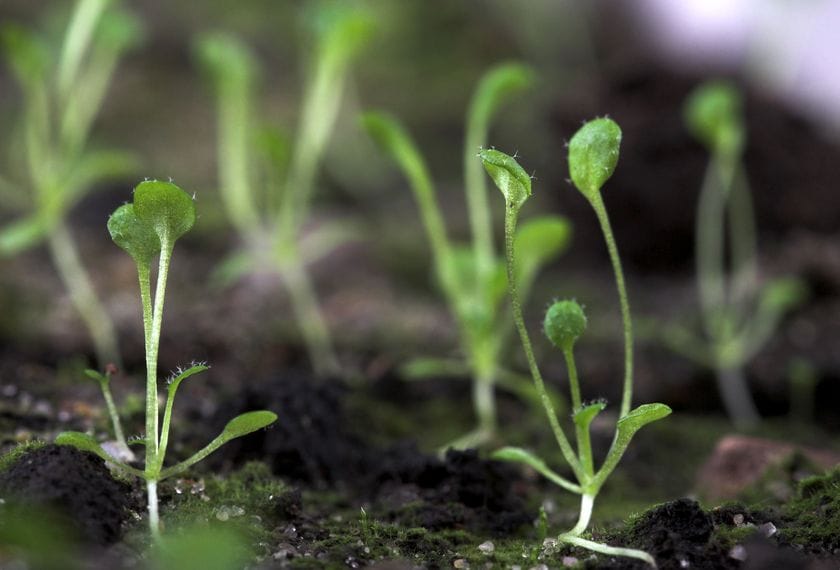
Vasseur et al. show that C-S-R strategies diversify with climate between lineages of Arabidopsis thaliana. Intraspecific variations notably result from a selection gradient on stress-tolerance and ruderality with latitude. This highlights the potential of merging functional ecology and biogeography with evolutionary genomics to understand plant adaptation to climate variation.


